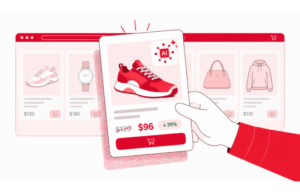
A pricing manager at an electricals retailer starts Monday with a spreadsheet of competitor prices collected last week. By the time the team has checked it, several of those prices have already moved.
That gap between collecting data and acting on it is what AI pricing software is closing. It changes where pricing teams spend their time. Less of it goes on gathering and checking data. More of it goes on deciding what to do.
Here is how AI pricing software is changing ecommerce pricing in practice, and where human judgement still matters.
From Periodic Checks to a Continuous View of the Market
Traditional ecommerce pricing relied on periodic checks. Someone visited competitor sites, recorded prices and built a weekly or monthly report. That worked when prices changed slowly.
Online, they rarely do. Marketplaces, flash promotions and stock-driven changes mean a competitor’s price can shift several times in a day.
AI pricing software works from a continuous feed of market data. Price monitoring software collects competitor prices, promotions and stock status throughout the day, so the team works from today’s market.
Matching Like for Like at Scale
Price data is only useful when the products being compared are the same. A 500ml bottle and a 750ml bottle of the same brand are not a fair comparison. Neither is a bundle against a single unit.
This is where AI makes a practical difference. Machine learning models can compare attributes, specifications and pack sizes across millions of listings. No manual team could work at that volume.
The strongest approaches still add human checks for ambiguous matches. A confident wrong match is worse than no match at all, because it looks trustworthy. Accurate matching is what makes competitor pricing analysis reliable.
Automating the Analysis as Well as the Collection
Collecting data faster only helps if someone can make sense of it. AI pricing software now takes on much of the analysis that used to sit in spreadsheets.
Typical examples include:
- Flagging products priced well above the market
- Spotting products where prices could rise without losing position
- Highlighting competitor promotions as they start
- Showing when a competitor runs out of stock on a key line
Each of these is a pricing opportunity. A competitor tracking tool that surfaces them automatically means the team reviews exceptions instead of scanning thousands of rows.
Faster Decisions Within Clear Rules
The next step is acting on those insights. Many retailers now use rules-based or AI-assisted repricing, where prices adjust within limits the business has set.
For example, a retailer might match the lowest of three named competitors on its top 200 products, but never go below a set margin floor. The software applies that rule continuously. The team sets the strategy and reviews the outcomes.
The gains can be meaningful. McKinsey reports that its retail clients using dynamic pricing have seen sales growth of 2 to 5 percent and margin increases of 5 to 10 percent. Those results depend on good data and clear guardrails.
What AI Pricing Software Does Not Replace
AI does not decide what kind of retailer you want to be. It cannot judge whether a price cut damages brand perception, or whether a category should drive traffic or earn margin.
Those are commercial decisions. The best results come when competitor intelligence informs people who understand the business.
There are also risks to manage. Automated prices can follow a competitor’s pricing error. Rules can interact in ways nobody planned. Price floors, governance and regular reviews matter as much as the technology itself.
What This Means for Ecommerce Pricing Teams
The shift is practical. Pricing teams spend less time cleaning data and more time on strategy. Decisions happen in hours rather than weeks. Ecommerce, commercial and category teams also work from the same view of the market.
For retailers and brands weighing their options, the starting point is data quality. Fast analysis of inaccurate data only produces wrong answers faster. A competitive intelligence tool built on verified product matching gives the AI layer something solid to work with.
See it with your own catalogue. Pricechecker combines AI-led product matching with expert verification, so pricing teams can act on competitor data with confidence. Request a demo to see how it works for your products.