pricechecker

On paper, a product has a price.

In reality, particularly on marketplaces, that price can vary depending on who is selling it.

For brands operating across platforms like Amazon or Walmart Marketplace, this creates a distinction that is easy to overlook but commercially important:

the difference between brand price and seller price.

What Is Brand Price?

Brand price reflects intended positioning.

It is typically:

  • Set or influenced by the brand
  • Aligned with recommended retail pricing (RRP)
  • Maintained through key retail partners
  • Consistent with brand strategy and perception

This is the price level brands expect to see in the market.

From a price monitoring tool perspective, this is often treated as the “correct” or baseline price.

What Is Seller Price?

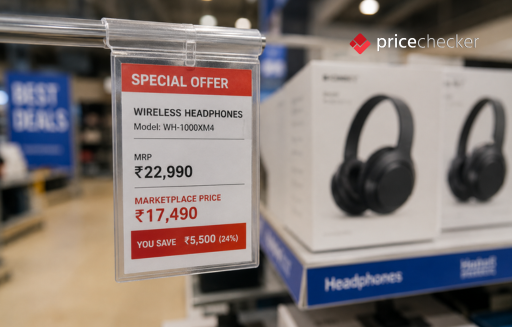
Seller price reflects actual execution in the market.

On marketplaces, this is determined by individual merchants who may:

  • Discount to drive volume
  • Adjust pricing based on their own costs or stock
  • Compete for visibility (e.g. the buy box)

From a competitor tracking perspective, seller prices are dynamic and can vary widely, even for the same product at the same time.

Why the Difference Matters

If brand-level monitoring does not distinguish between these two, the picture becomes blurred.

For example:

  • A brand may appear to be holding price
  • In reality, multiple sellers are undercutting it
  • The lowest visible price becomes the perceived market price

Or:

  • A low seller price may be an outlier
  • It is treated as representative of the market
  • Pricing decisions are made on a distorted view

This is where competitor pricing analysis needs to go beyond simple averages or lowest-price logic.

The Role of Seller Context

Not all seller prices carry the same weight.

Some sellers:

  • Win the buy box and drive most sales
  • Offer faster fulfilment or better availability
  • Maintain consistent pricing over time

Others may:

  • Have limited stock
  • Appear intermittently
  • Discount aggressively but with low visibility

A competitive intelligence tool that incorporates seller context helps identify which prices actually influence customer behaviour.

Avoiding Misleading Signals

Without separating brand and seller pricing, systems can:

  • React to isolated low prices that do not represent the market
  • Miss sustained undercutting from key sellers
  • Misinterpret overall price positioning

This can lead to unnecessary price changes or missed risks.

A competitive pricing tool built with this distinction in mind provides a more accurate foundation for decisions.

Bringing Clarity to Marketplace Data

To make marketplace pricing usable, it needs to be structured.

A robust competitor monitoring approach will:

  • Distinguish between brand-controlled and seller-driven pricing
  • Track multiple sellers per product
  • Align pricing with availability, fulfilment, and visibility
  • Monitor trends over time, not just snapshots

This allows brands to understand both intended pricing and actual execution.

Supporting Better Brand Oversight

With clear separation, brands can:

  • Identify where pricing is being undercut
  • Understand which sellers are driving perception
  • Engage with partners or adjust distribution where needed
  • Maintain alignment between strategy and reality

Reliable competitor intelligence ensures that this view is consistent and actionable.

From Single Prices to Market Reality

A single price is easy to track.

A market is not.

On marketplaces, the effective price is shaped by multiple sellers, each influencing how the product is perceived and purchased.

A price tracking software that captures this distinction provides a clearer view of what is actually happening.

Final Thought

Brand price reflects intent.

Seller price reflects reality.

For enterprise brands, understanding the gap between the two is essential.

Because in the end, it is not the intended price that defines market position. It is the price customers actually encounter.

Don't want to miss anything?

Grow your business with the latest eCommerce updates

This field is for validation purposes and should be left unchanged.