- Home
- Solutions
Accurate matching for complex catalogues with AI and human checks.
Come up with the winning pricing strategy with access to reliable information on competitors’ price, stock, and promotions.
Trusted reporting from a single, reliable data source.
Smart pricing that keeps you accurate and in control.
Clear pricing visibility across retailers and channels.
Real-time insight into pricing and stock changes.
Stay compliant with supplier pricing rules and protect your margins with clear MAP/MSRP insights.
Simple setup that works with your existing systems.
What’s new
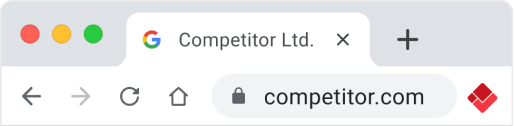
For your convenience, we built the browser extension so you could see the in-depth information about your products or add new ones on the go.

pricechecker and Google go hand-in-hand, maximise the return on ad spend with our cutting-edge competitor monitoring tool.
- Resources
Our valued experiences and client success stories to be inspired by.
Free ebooks to keep your digital transformation journey moving
- Pricing
- About
- Sign in
- Request Demo

- Home
- Solutions
Accurate matching for complex catalogues with AI and human checks.
Come up with the winning pricing strategy with access to reliable information on competitors’ price, stock, and promotions.
Trusted reporting from a single, reliable data source.
Smart pricing that keeps you accurate and in control.
Clear pricing visibility across retailers and channels.
Real-time insight into pricing and stock changes.
Stay compliant with supplier pricing rules and protect your margins with clear MAP/MSRP insights.
Simple setup that works with your existing systems.
What’s new
For your convenience, we built the browser extension so you could see the in-depth information about your products or add new ones on the go.
pricechecker and Google go hand-in-hand, maximise the return on ad spend with our cutting-edge competitor monitoring tool.
- Resources
Our valued experiences and client success stories to be inspired by.
Free ebooks to keep your digital transformation journey moving
- Pricing
- About
- Sign in
- Request Demo