pricechecker

For brands, marketplaces offer reach.

Platforms like Amazon and Walmart Marketplace provide access to a broad base of shoppers and multiple routes to market through third-party sellers.

The trade-off is control.

Once products are listed across multiple sellers, pricing and promotions are no longer centrally managed. Individual sellers can set their own strategies, often independently of brand positioning.

The Shift From Brand Pricing to Seller Pricing

In a traditional retail model, brands have clearer influence over pricing.

On marketplaces, that influence is diluted.

Different sellers may:

  • Discount aggressively to win the buy box
  • Run independent promotions
  • Adjust pricing based on their own stock position

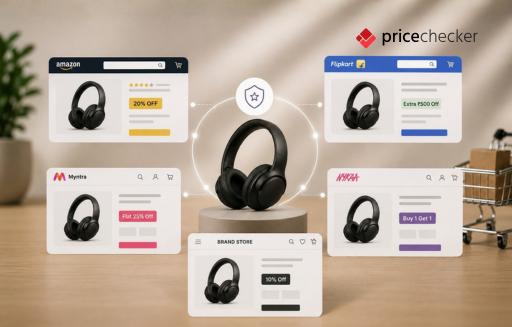
From a competitor tracking perspective, this creates a fragmented pricing landscape.

The same product may appear at multiple price points simultaneously.

How Promotions Can Undercut Brand Positioning

Seller-led promotions can have a direct impact on brand perception.

For example:

  • A premium product may appear heavily discounted by one seller
  • A short-term promotion may become the most visible price
  • Lower-priced offers may dominate search results or the buy box

Even if other sellers maintain higher pricing, the most prominent offer shapes customer perception.

Without visibility, brands may not realise that:

  • Their products are being consistently discounted
  • Promotions are more aggressive than intended
  • Price positioning is drifting over time

The Risk of Incomplete Visibility

If brands rely only on high-level competitor monitoring software or PDP-level pricing, they may miss how promotions vary across sellers.

This can lead to:

  • Overestimating control over pricing
  • Misunderstanding how products are presented to shoppers
  • Reacting too late to sustained discounting

A competitive intelligence tool that does not capture seller-level promotions cannot fully represent marketplace dynamics.

Understanding Which Offers Shape Perception

Not all seller promotions have equal impact.

The offers that matter most are typically those that:

  • Win the buy box
  • Appear most prominently in search
  • Offer the best combination of price and fulfilment

More advanced competitor pricing analysis considers these factors, rather than treating all seller prices equally.

This helps identify where brand positioning is most exposed.

Bringing Context to Marketplace Promotions

To manage this effectively, brands need structured visibility.

A robust price tracking software should:

  • Track pricing and promotions at seller level
  • Distinguish between base price and promotional price
  • Account for fulfilment, availability, and prominence
  • Monitor how pricing evolves over time

This creates a clearer view of how products are actually presented in the market.

Supporting Brand Protection Without Direct Control

Brands cannot always control seller behaviour.

What they can do is monitor it effectively.

With reliable competitor intelligence, brands can:

  • Identify consistent undercutting
  • Engage with sellers where appropriate
  • Adjust distribution or pricing strategy
  • Protect perceived value over time

Visibility becomes the foundation for action.

From Fragmentation to Oversight

Marketplace pricing is inherently fragmented.

Multiple sellers, multiple strategies, and multiple price points all exist at once.

Without proper tracking, this fragmentation can quietly erode brand positioning.

A competitive pricing tool that brings structure to this data allows brands to move from limited visibility to informed oversight.

Final Thought

On marketplaces, price is not just set—it is shaped by multiple participants.

Seller-led promotions can influence how a brand is perceived, often more than intended.

For brands operating in these environments, visibility is not optional.

Because in the end, it is not the intended price that defines positioning.

It is the price shoppers actually see.

Don't want to miss anything?

Grow your business with the latest eCommerce updates

This field is for validation purposes and should be left unchanged.